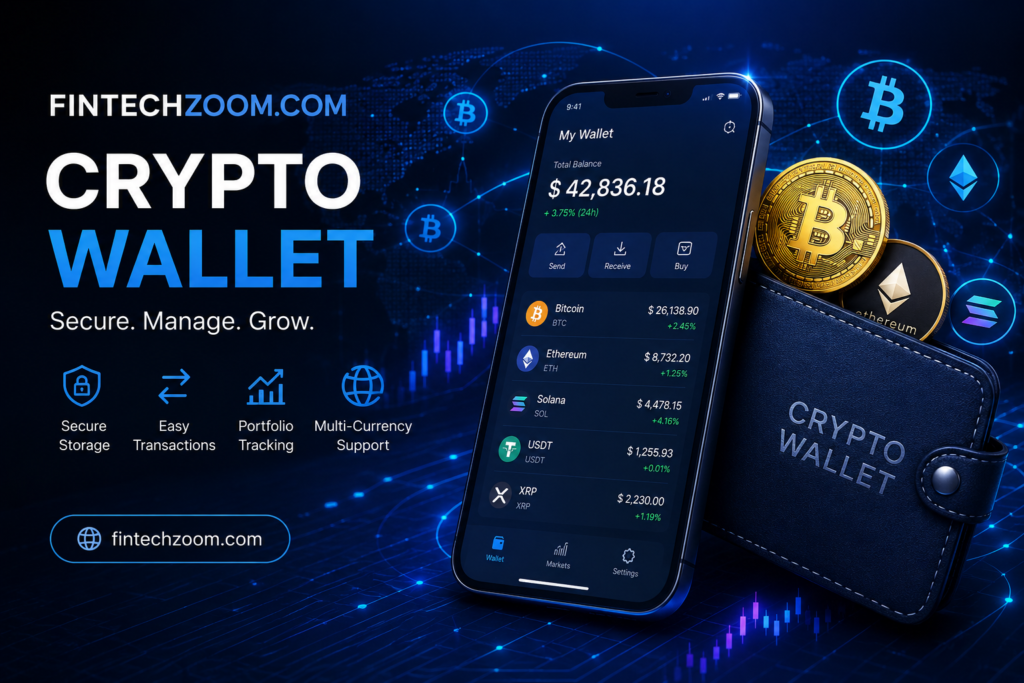

The cryptocurrency market continues to evolve at a remarkable pace, and secure digital asset storage has become one of the most important concerns for investors. When searching for information about cryptocurrency storage solutions, many people come across the term fintechzoom.com crypto wallet and want to understand what it means, how crypto wallets work, and what options are available for protecting digital assets. As cryptocurrencies become increasingly mainstream in the United Kingdom, choosing the right wallet has become a crucial step for both beginners and experienced investors.
Understanding the role of a crypto wallet goes beyond simply storing digital coins. Modern wallets provide access to blockchain networks, facilitate transactions, enable portfolio management, and help users maintain control over their private keys. With cyber threats, exchange breaches, and evolving regulations, security and usability are now equally important considerations.
This guide explores the fintechzoom.com crypto wallet topic in detail, examining wallet functionality, security considerations, different wallet types, benefits, risks, and best practices for UK cryptocurrency users. By the end of this article, readers will have a clear understanding of how crypto wallets operate and what factors should influence their decision when selecting a secure digital asset storage solution.
| Information | Details |
|---|---|
| Primary Topic | fintechzoom.com crypto wallet |
| Audience | UK Cryptocurrency Users |
| Focus | Security, Storage, and Wallet Selection |
| Content Type | Educational Guide |
| Key Areas | Wallet Types, Security, Best Practices |
Understanding the Fintechzoom.com Crypto Wallet Concept
The term fintechzoom.com crypto wallet is often associated with cryptocurrency wallet information, market analysis, and educational content related to digital asset storage. A crypto wallet itself is a software application or physical device that enables users to interact with blockchain networks. Contrary to popular belief, cryptocurrencies are not actually stored inside the wallet. Instead, the wallet manages private keys that grant access to blockchain-based assets and authorize transactions.
Crypto wallets serve as the bridge between users and decentralized networks. Whenever someone sends Bitcoin, Ethereum, or another cryptocurrency, the wallet generates and signs the transaction using cryptographic keys. This process verifies ownership without requiring a centralized authority. The ability to maintain control over private keys is one of the fundamental principles behind cryptocurrency ownership and financial independence.
As interest in digital assets continues to rise throughout the United Kingdom, more investors are researching fintechzoom.com crypto wallet topics to better understand security practices and wallet options. Whether holding cryptocurrencies for long-term investment or using them for transactions, selecting an appropriate wallet remains a critical decision that can significantly impact the safety and accessibility of digital assets.
How Crypto Wallets Function in the Digital Economy
A crypto wallet operates through a combination of public and private cryptographic keys. The public key functions similarly to a bank account number, allowing users to receive cryptocurrency. The private key acts like a secure password that grants control over funds and authorizes outgoing transactions. Protecting the private key is essential because anyone who gains access to it can potentially control the associated assets.
Blockchain technology records every cryptocurrency transaction on a distributed ledger. When users initiate transfers through a wallet, the transaction is digitally signed using their private key before being broadcast to the network. Validators or miners then confirm the transaction and permanently record it on the blockchain. The wallet serves as the user interface for managing these interactions efficiently and securely.
Many fintechzoom.com crypto wallet discussions emphasize the importance of understanding wallet mechanics before investing significant amounts of money. A strong grasp of wallet functionality helps users avoid common mistakes, improve security practices, and confidently manage digital assets within an increasingly complex cryptocurrency ecosystem.
Different Types of Crypto Wallets Available Today
Crypto wallets generally fall into two broad categories: hot wallets and cold wallets. Hot wallets remain connected to the internet and include mobile apps, desktop software, browser extensions, and web-based platforms. These wallets provide convenience and quick access to funds, making them suitable for frequent transactions and active cryptocurrency users.
Cold wallets, by contrast, operate offline and include hardware wallets and paper wallets. Because they remain disconnected from internet-based threats, cold wallets offer significantly stronger protection against hacking attempts and malware attacks. Long-term investors often prefer cold storage solutions for safeguarding substantial cryptocurrency holdings over extended periods.
Many fintechzoom.com crypto wallet discussions compare these wallet categories to help users identify the most appropriate solution for their needs. While hot wallets excel in convenience and accessibility, cold wallets prioritize security. The best choice depends on individual goals, transaction frequency, risk tolerance, and the overall size of a user’s cryptocurrency portfolio.
Security Features That Matter Most
Security remains the most critical factor when evaluating any crypto wallet. Modern wallets often incorporate multiple protective measures, including two-factor authentication, biometric verification, password encryption, and recovery phrase systems. These features significantly reduce the likelihood of unauthorized access and help safeguard digital assets from potential threats.
Seed phrases represent one of the most important security mechanisms available. Typically consisting of twelve to twenty-four words, the seed phrase enables wallet recovery if a device is lost, damaged, or stolen. Proper storage of recovery phrases is essential because anyone possessing the phrase may gain access to the wallet and associated funds.
The fintechzoom.com crypto wallet topic frequently highlights security awareness as a key component of successful cryptocurrency ownership. Even the most advanced wallet can become vulnerable if users fail to follow best practices such as maintaining strong passwords, securing backup phrases, avoiding phishing scams, and regularly updating wallet software.
Benefits of Using a Dedicated Crypto Wallet
One of the primary benefits of using a dedicated crypto wallet is enhanced control over digital assets. Unlike centralized exchanges, which hold users’ funds on their behalf, self-custody wallets allow individuals to retain ownership of their private keys. This aligns with the decentralized philosophy that underpins cryptocurrency technology and reduces reliance on third-party institutions.
Dedicated wallets also provide improved privacy and flexibility. Users can interact directly with blockchain networks, participate in decentralized finance applications, manage multiple cryptocurrencies, and access various blockchain services. These capabilities expand the utility of digital assets beyond simple buying and selling activities.
Many investors researching fintechzoom.com crypto wallet information seek solutions that combine convenience with robust security. Dedicated wallets often meet this requirement by offering customizable features, broad cryptocurrency support, and direct asset management capabilities that are not always available through traditional exchange platforms.
Common Risks and How to Avoid Them
Although crypto wallets offer significant advantages, they are not without risks. Phishing attacks remain one of the most common threats. Fraudsters frequently create fake websites, emails, and applications designed to trick users into revealing private keys or recovery phrases. Remaining vigilant and verifying website authenticity can dramatically reduce exposure to such scams.
Malware and device compromise also pose serious concerns. Malicious software may attempt to capture keystrokes, alter wallet addresses, or access stored credentials. Maintaining updated operating systems, installing reputable security software, and avoiding suspicious downloads are essential steps for minimizing these risks and protecting digital assets.
The fintechzoom.com crypto wallet discussion often emphasizes that human error remains one of the greatest vulnerabilities in cryptocurrency security. Lost recovery phrases, weak passwords, and accidental transfers can lead to irreversible financial losses. Education and disciplined security practices therefore play a crucial role in successful cryptocurrency management.
Choosing the Right Wallet for UK Investors
UK cryptocurrency users should evaluate several factors before selecting a wallet. Security features, ease of use, supported cryptocurrencies, backup options, and compatibility with devices all influence the overall user experience. A wallet that aligns with an individual’s investment strategy and technical knowledge will generally provide the most value.
Regulatory developments in the United Kingdom have increased awareness of cryptocurrency compliance and consumer protection. While wallets themselves are typically non-custodial tools, users should remain informed about broader regulatory requirements affecting digital asset transactions, taxation, and reporting obligations within the UK financial landscape.
When reviewing fintechzoom.com crypto wallet resources, investors should focus on objective criteria rather than marketing claims. Independent reviews, security audits, development activity, and community reputation often provide more meaningful insights into wallet quality than promotional materials alone.
The Future of Crypto Wallet Technology
Crypto wallet technology continues to evolve alongside blockchain innovation. Developers are introducing advanced features such as multi-signature authorization, smart contract integration, decentralized identity management, and enhanced recovery mechanisms. These improvements aim to make wallets more secure, accessible, and user-friendly for mainstream audiences.
Artificial intelligence, biometric authentication, and account abstraction technologies may further transform wallet experiences in the coming years. These innovations seek to simplify user interactions while maintaining strong security standards. As blockchain adoption expands, wallet providers are likely to focus increasingly on usability without compromising asset protection.
The growing interest surrounding fintechzoom.com crypto wallet topics reflects a broader trend toward digital financial ownership and decentralized technologies. As cryptocurrencies become more integrated into global financial systems, wallets will remain a foundational component of the digital asset ecosystem, enabling secure participation in blockchain-based economies.
Conclusion
The fintechzoom.com crypto wallet topic highlights a crucial aspect of cryptocurrency ownership: secure and effective asset management. Whether investors choose hot wallets for convenience or cold wallets for maximum protection, understanding wallet functionality is essential for navigating the cryptocurrency landscape with confidence. Wallets serve as the gateway to blockchain networks, allowing users to manage assets, authorize transactions, and maintain control over their digital wealth.
Security should always remain the highest priority when selecting and using a crypto wallet. Strong passwords, protected recovery phrases, two-factor authentication, and ongoing awareness of cyber threats can significantly reduce risk. Equally important is choosing a wallet that matches personal investment goals, technical expertise, and transaction habits.
As cryptocurrency adoption continues to expand across the United Kingdom and beyond, informed wallet selection will become increasingly important. By understanding the principles, benefits, risks, and future developments associated with crypto wallets, investors can make smarter decisions and participate more securely in the rapidly evolving world of digital finance.